



I’ve seen a # of dentist over my 70 yrs and Dr Moore is the best of them all. His work is excellent and truly cares about you and the health of your teeth. Dr Moore makes sure that you understand all procedures before starting. He is very personable and kind with his patients. His staff is wonderful as well. They always make me feel welcome. You won’t be disappointed at Woodmen Views Dentistry.
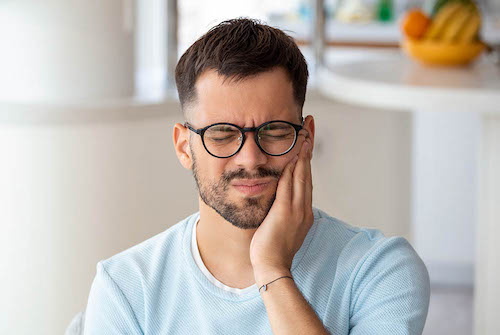
October can get busy quickly. Between work, school, fall activities, and plans for the months ahead, you may fall into small habits without giving them much thought. Some of those habits can place more pressure on your teeth than you realize.
Your teeth are strong, but they are designed for biting and chewing food. Repeatedly using them in other ways can contribute to chips, cracks, wear, or stress on existing dental work. Other habits may also put unnecessary strain on your jaw. This October, pay attention to these five everyday behaviors and what they could be doing to your smile.
1. Chewing on Ice
Crunching the ice left at the bottom of your drink may seem harmless. However, ice is hard enough to put significant pressure on your teeth, especially when you bite down on larger pieces.
Try letting ice melt instead of chewing it. This simple change can reduce unnecessary stress on your enamel and dental restorations. If you regularly crave or feel compelled to chew ice, consider mentioning the habit to your healthcare provider, since persistent ice chewing can sometimes be associated with an underlying health issue.
2. Using Your Teeth as Tools
A stubborn package can make your teeth seem like a convenient pair of scissors. You may also use them to pull off tags, loosen knots, or open containers.
Your teeth are not designed for these jobs. Biting down on hard materials or pulling objects with your teeth can lead to chips, cracks, or damaged dental work. Take the extra moment to grab the proper tool instead. Your smile will be better protected for the tasks it actually needs to perform.
3. Biting Pens or Pencils
You may catch yourself chewing on a pen while working, studying, or concentrating. Because this pressure usually feels minor, it is easy for the habit to continue throughout the day.
Repeated biting can still place unnecessary force on individual teeth. Keep pens and pencils away from your mouth when possible. If you tend to chew when concentrating, becoming aware of when the habit happens is a good first step toward stopping it.
4. Clenching Your Teeth When You’re Stressed
Not every harmful habit involves chewing on an object. Some people press their teeth together when concentrating, driving, exercising, or dealing with a stressful situation.
Check your jaw periodically throughout the day. When you are not eating, your teeth generally do not need to remain tightly together. If you frequently catch yourself clenching, relax your jaw and notice whether stress or certain activities trigger the habit. Persistent clenching can contribute to tooth wear, jaw discomfort, or headaches and is worth discussing with your dentist.
5. Biting Your Fingernails
Nail biting often happens automatically, especially during moments of stress, boredom, or concentration. In addition to affecting your nails, the repeated biting motion can place pressure on your front teeth.
Breaking the habit may take time. Start by noticing when you are most likely to bite your nails and look for another way to keep your hands occupied. Reducing the frequency can help protect your teeth from repeated forces they were not designed to handle.
Give Your Teeth a Break This October
You do not need to become worried about every bite you take. Instead, pay attention to the things you ask your teeth to do besides eating. Avoiding ice, packages, pens, fingernails, and unnecessary clenching can reduce repeated stress on your smile.
If you notice a chipped tooth, unusual wear, jaw soreness, or another change, do not assume you simply have to live with it. Call Woodmen Views Dentistry at 719-359-9616 for an appointment in Colorado Springs, CO. You can also schedule online. Our team can evaluate your teeth and bite, identify what may be contributing to the problem, and recommend appropriate care to help protect your smile.